Email

info@europeforall.org

Via Luigi Canonica 67

20154 Milano (MI) IT

FAKE NEWS & MISINFORMATION

Project Info
Course center Provider: Europe for all
PIC: 948745070 OID: E10049367

Locations: Milano Italy;
Category: ICT

COURSE MOTIVATION

In today’s digital age, the spread of fake news and misinformation has become a significant challenge, leading to a distorted perception of reality, social division, and potential harm to individuals and society. This 7-day training course aims to equip participants with the necessary knowledge and skills to identify, analyze, and combat fake news and misinformation effectively. By bringing together experts from the academic field, we provide a comprehensive understanding of the issue and explore future developments and risks associated with the current government guidelines.

COURSE DESCRIPTION

This intensive 7-day course focuses on exploring the phenomenon of fake news and misinformation in-depth. Participants will delve into various aspects related to the creation, dissemination, and impact of misleading information. Through a combination of lectures, seminars, case studies, and practical exercises, participants will develop critical thinking abilities and acquire practical tools to evaluate the credibility of information sources.

COURSE METHODOLOGY

The course adopts a multifaceted approach to engage participants actively. It combines theoretical knowledge with practical applications, encouraging interactive discussions and group activities. Participants will have the opportunity to analyze real-world examples, engage in fact-checking exercises, and collaborate on projects to reinforce their understanding of the subject matter.

COURSE OBJECTIVES

  • Understand the concept of fake news and misinformation and their impact on society.
  • Develop critical thinking skills to discern between accurate and misleading information.
  • Identify the various techniques used to create and spread fake news.
  • Acquire fact-checking strategies and tools to verify the credibility of information sources.
  • Explore the ethical and legal implications associated with fake news and misinformation.
  • Examine the role of social media platforms and technology in the dissemination of misleading information.
  • Engage with experts from the academic field to gain insights into emerging trends and challenges.
  • Analyze case studies to understand the societal consequences of fake news and misinformation.
  • Discuss potential solutions and strategies to combat the spread of false information.
  • Reflect on personal responsibilities and roles in countering fake news and misinformation

DAY-BY-DAY PROGRAMME

Day 1:

  • Introduction to Fake News & Misinformation: Definitions, characteristics, and historical context.
  • Understanding Cognitive Biases: How cognitive biases contribute to the spread and acceptance of fake news.
  • Fact vs. Opinion: Differentiating between factual information and subjective viewpoints.

Day 2:

  • Techniques of Manipulation: Exploring common techniques used to create and spread fake news.
  • The Role of Social Media: Analyzing the impact of social media platforms in the dissemination of misinformation.
  • Fact-Checking Fundamentals: Introduction to fact-checking methods and resources.

Day 3:

  • Legal and Ethical Considerations: Examining the legal frameworks and ethical dilemmas related to fake news and misinformation.
  • Case Studies: Analyzing notable instances of fake news and their consequences.
  • Guest Seminar: Inviting an expert from the academic field to discuss current challenges and future developments.

Day 4:

  • Information Verification Techniques: Advanced strategies for evaluating the credibility of sources.
  • Visual Misinformation: Understanding the role of manipulated images and videos in spreading misinformation.
  • Debunking Myths: Strategies for debunking common myths and misconceptions.

Day 5:

  • Combating Disinformation: Exploring initiatives and organizations dedicated to countering fake news.
  • Critical Thinking Skills: Enhancing critical thinking abilities to identify and analyze misleading information.
  • Workshop: Interactive session to practice fact-checking and critical analysis.

Day 6:

  • The Psychology of Misinformation: Understanding psychological factors that contribute to the belief in fake news.
  • Misinformation in the Age of AI: Exploring the challenges and risks posed by AI-generated content.
  • Group Project: Collaborative project to develop a campaign or solution to combat fake news.

Day 7:

  • Future Trends and Risks: Discussing emerging trends, technological advancements, and potential risks associated with fake news.
  • Wrap-up and Q&A Session: Reviewing key concepts and addressing participant questions.
  • Closing Remarks: Reflecting on personal responsibilities and the importance of countering misinformation.

OUTCOMES

By the end of the course, participants will have gained comprehensive knowledge about fake news and misinformation, developed critical thinking skills, and acquired practical tools to tackle the issue effectively in their personal and professional lives
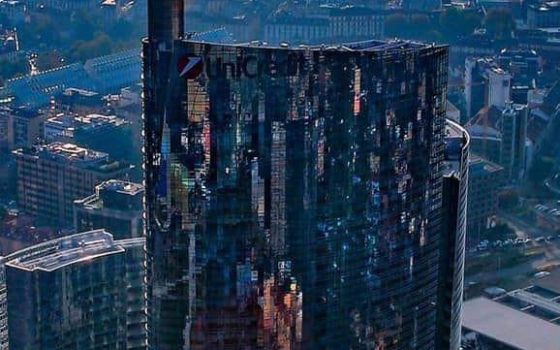
grattecelo milano
pexels-soumil-kumar-735911

DATES

2025

from 23/03/2025 to 29/03/2025
from 22/06/2025 to 28/06/2025
from 16/11/2025 to 22/11/2025

2026

from 22/03/2026 to 28/03/2026
from 21/06/2026 to 27/06/2026
from 15/11/2026 to 21/11/2026


The dates may be changed by according the needs of the participants.

We can also provide at accommodation, airport services etc.

Follow us:
European School Education Platform