Email

info@europeforall.org

Via Luigi Canonica 67

20154 Milano (MI) IT

APPLYING THE MULTIPLE INTELLIGENCES THEORY IN TEACHING

Project Info
Course center Provider: Europe for all
PIC: 948745070 OID: E10049367

Locations: Milano Italy;
Category: Teaching Method

COURSE MOTIVATION

The course aims to empower teachers with a deep understanding of Howard Gardner’s theory of multiple intelligences and provide them with practical strategies to incorporate this theory into their teaching practices. By recognizing and nurturing the diverse range of intelligences in their students, teachers can create inclusive and engaging learning environments that cater to individual strengths and promote holistic development.

COURSE DESCRIPTION

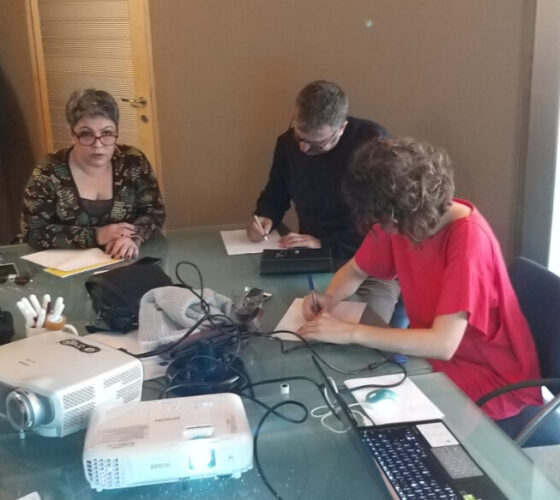
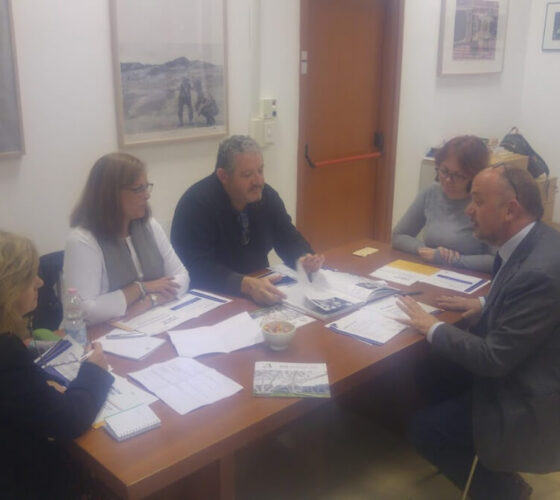
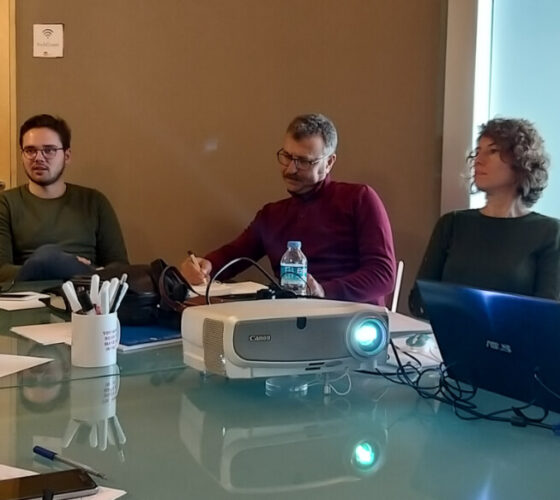
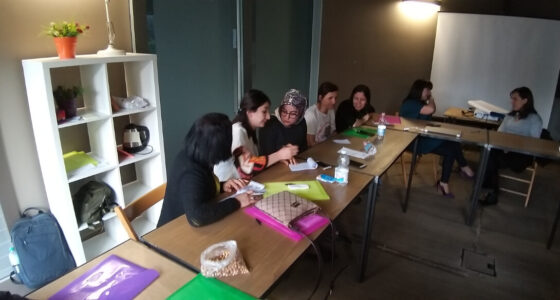
This 7-day training course is designed to explore the application of the multiple intelligences theory in educational settings. Through a combination of lectures, workshops, and seminars with industry experts, participants will gain insights into the theory’s foundations, its practical implications for teaching, and future developments in the field. The course will provide a comprehensive understanding of the theory and equip teachers with the necessary tools to effectively implement it in their classrooms.

TEACHING METHOD

The course will employ a learner-centered approach, encouraging active participation and collaboration among participants. The sessions will involve a combination of the following teaching methods:

  • Lectures: Expert instructors will deliver informative lectures on the theory of multiple intelligences, its historical context, and its relevance to modern education.
  • Workshops: Practical workshops will engage participants in hands-on activities to explore different teaching strategies aligned with the theory. These workshops will provide opportunities to develop instructional materials and lesson plans tailored to diverse intelligences.
  • Seminars: Distinguished professionals from the academic sector will conduct specialized seminars, sharing their research and experiences related to multiple intelligences in education. This will foster a deeper understanding of the theory’s implementation and its impact on student learning outcomes.

COURSE OBJECTIVES

  • Understand the theory of multiple intelligences, its background, and its implications for educational practices.
  • Identify and assess different types of intelligences in students.
  • Design and implement instructional strategies that cater to diverse intelligences.
  • Create inclusive learning environments that support the development of all intelligences.
  • Evaluate and adapt teaching methods based on student responses and individual strengths.
  • Collaborate with colleagues to share best practices and collectively enhance teaching effectiveness.
  • Stay updated on future developments and research in the field of multiple intelligences.

COURSE MOTIVATION

As governments continue to shape education policies, it is crucial to consider the potential risks and future developments related to the implementation of multiple intelligences theory in schools. Failure to integrate this theory into teaching practices may result in the following risks:

  • Standardized education: Overreliance on standardized testing and rigid curricula may undermine the recognition and cultivation of diverse intelligences, limiting students’ overall potential.
  • Achievement gaps: Neglecting the theory’s principles may perpetuate existing achievement gaps, as certain intelligences may be overlooked or undervalued, leading to unequal educational opportunities.
  • Lack of student engagement: Without utilizing multiple intelligences, students may struggle to connect with the curriculum, leading to disengagement and decreased motivation for learning.

By incorporating the theory of multiple intelligences into education policies and guidelines, governments can promote inclusive and personalized learning experiences, fostering the holistic development of students and preparing them for a rapidly changing future.

DAY-BY-DAY PROGRAMME

Day 1:

  • Introduction to multiple intelligences theory
  • Historical context and theoretical foundations
  • Overview of the course structure and objectives

Day 2:

  • Identifying and assessing multiple intelligences in students
  • Strategies for recognizing and nurturing individual strengths
  • Case studies and practical exercises

Day 3:

  • Integrating multiple intelligences theory into lesson planning
  • Designing activities for different intelligences
  • Workshop: Creating instructional materials

Day 4:

  • The role of technology in supporting multiple intelligences
  • Digital tools and resources for implementing the theory
  • Seminar: Exploring innovative practices in the field

Day 5:

  • Assessing student progress and growth in diverse intelligences
  • Formative and summative assessment strategies
  • Workshop: Developing alternative assessment methods

Day 6:

  • Creating inclusive learning environments
  • Collaborative approaches to accommodate diverse intelligences
  • Seminar: Experiences and insights from university experts

Day 7:

  • Reflection on course learnings and personal action plans
  • Group discussions and sharing of best practices
  • Future developments in multiple intelligences theory
20190214_114944
20181003_134155
20190211_114422
20190321_175730

DATES

2025

from 19/01/2025 to 25/01/2025
from 23/03/2025 to 29/03/2025
from 22/06/2025 to 28/06/2025
from 16/11/2025 to 22/11/2025

2026

from 18/01/2026 to 24/01/2026
from 22/03/2026 to 28/03/2026
from 21/06/2026 to 27/06/2026
from 15/11/2026 to 21/11/2026


The dates may be changed by according the needs of the participants.

We can also provide at accommodation, airport services etc.

Follow us:
European School Education Platform